Elastomeric Material
EPU 46
EPU 46
Customizable High-Performance Elastomer
Customizable High-Performance Elastomer
The only production elastomer with tunable stiffness, a full color spectrum, and 40% bio-based content. Built for performance products that demand both material precision and brand differentiation.
The only production elastomer with tunable stiffness, a full color spectrum, and 40% bio-based content. Built for performance products that demand both material precision and brand differentiation.
At a Glance
DUROMETER
Shore 56A – 78A
Tunable via Part B blend ratio
ELONGATION AT BREAK
330%
High elasticity for demanding cycles
BIO-BASED CONTENT
40%
Solvent-free cleaning & resin reclaim
BIOCOMPATIBILITY
ISO 10993-5, -10, -23
Passed cytotoxicity & sensitization
COMPARABLE TO
Thermoplastic Polyurethane (TPU)
With added color & tunability
Energy Return
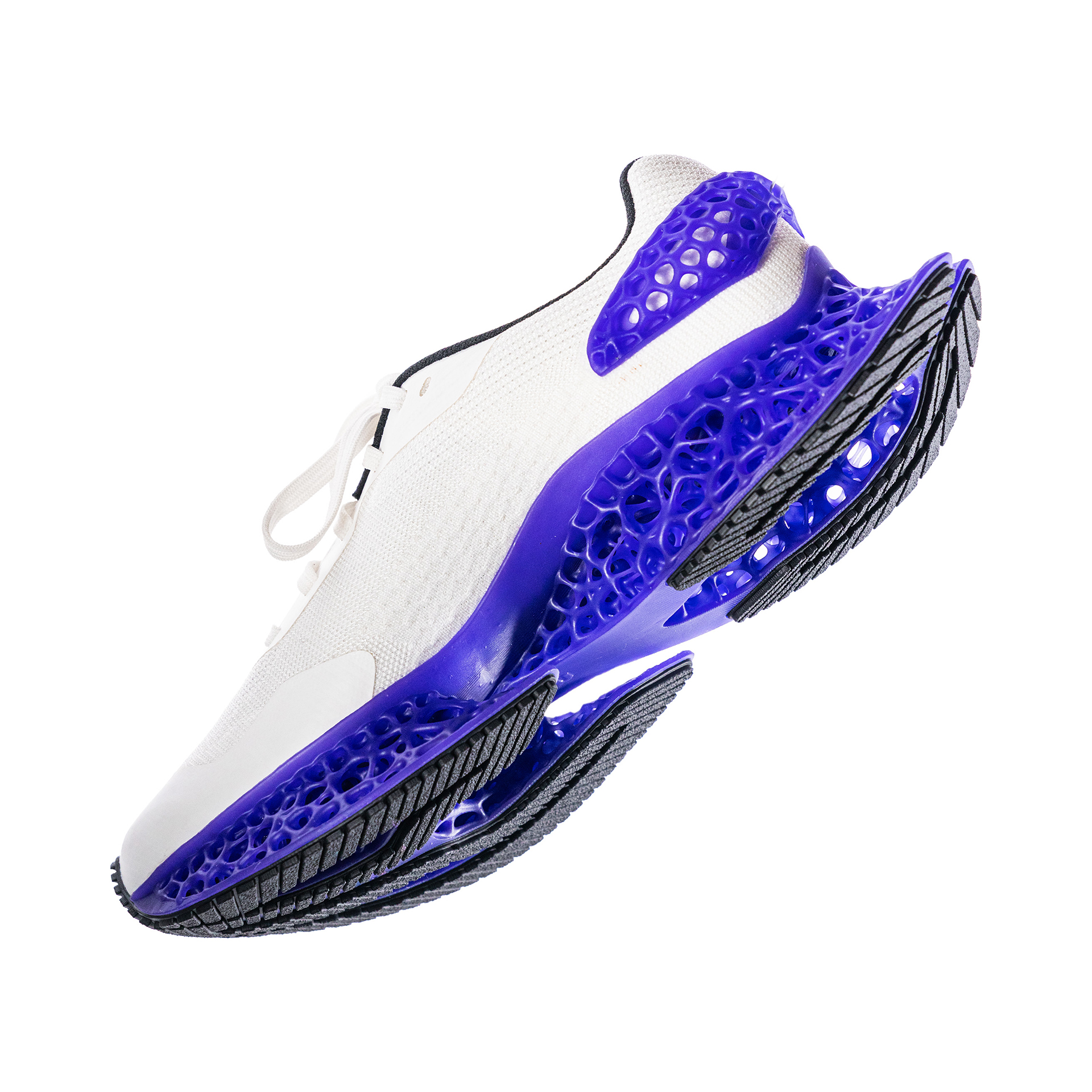
36% Bayshore resilience delivers responsive, spring-like energy return across the full durometer range.
Custom Colors
Full-spectrum color mixing integral to the resin — no coatings, no tooling changes, no minimum run.
Tunable Stiffness
Dial in Shore 56A to 78A by blending EPU 46 formulations — one material system, multiple product configurations.
40% Bio-Based
Industry-first bio-based content in a production elastomer. Sustainability story without a performance trade-off.
Biocompatible
Tested to ISO 10993-5, -10, and -23 — suitable for skin-contact wearables and consumer products.
Production-Ready
Validated on M3, M3 Max, and L1. Scale from prototype to production without changing your workflow.
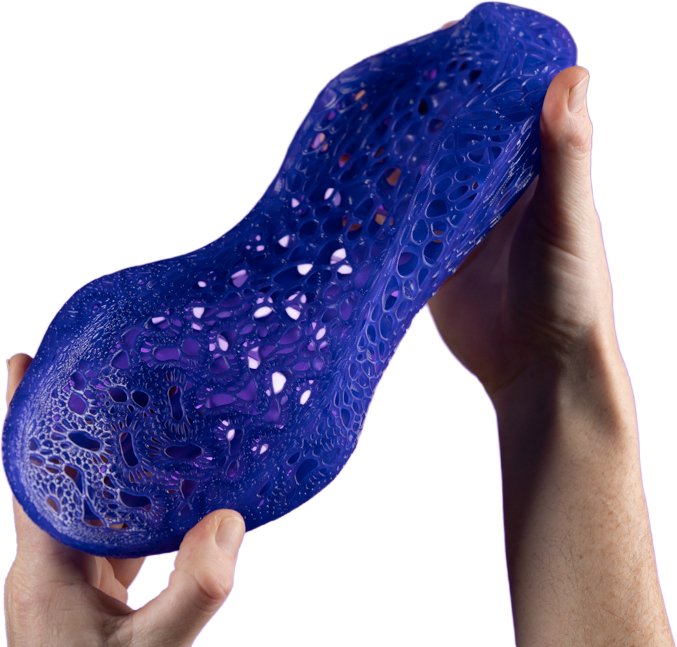
Example Applications
Built for the Products People Actually Make
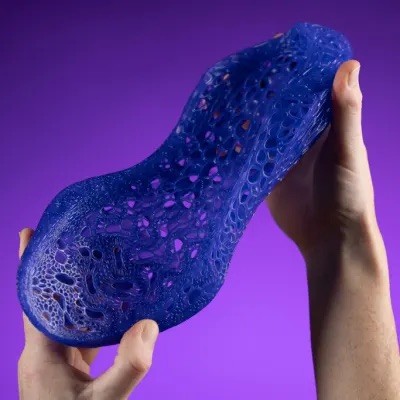
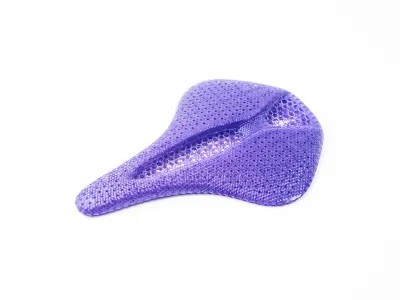
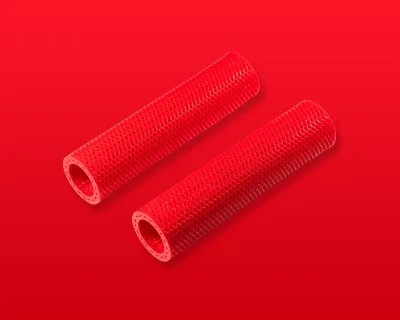
EPU 46 is in production across footwear, cycling, protective equipment, and wearables — anywhere energy return, tunable stiffness, and custom color matter.
Example Applications
Built for the Products People Actually Make
EPU 46 is in production across footwear, cycling, protective equipment, and wearables — anywhere energy return, tunable stiffness, and custom color matter.
The Science
The Science
Dual-cure Chemistry
that Performs Where Others Stop
Why Dual-Cure Is Non-Negotiable
EPU 46 is built on Carbon's dual-cure chemistry — photopolymer resins that harden first under UV light, then through a secondary thermal cure. The result is a part with isotropic mechanical properties: equal strength and elongation in all directions, unlike FDM or SLA elastomers that show layer-dependent weakness.
Color is integrated directly into the resin formulation during compounding — not applied as a surface coating. This means color that doesn't fade, chip, or delaminate under the stresses of real-world use. No additional post-processing steps. No color-matching limitations at scale.
EPU 46 is built on Carbon's dual-cure chemistry — photopolymer resins that harden first under UV light, then through a secondary thermal cure. The result is a part with isotropic mechanical properties: equal strength and elongation in all directions, unlike FDM or SLA elastomers that show layer-dependent weakness.
Color is integrated directly into the resin formulation during compounding — not applied as a surface coating. This means color that doesn't fade, chip, or delaminate under the stresses of real-world use. No additional post-processing steps. No color-matching limitations at scale.
Isotropic
Equal properties in all directions
330%
Elongation at break
44 kN/m
Tear strength
The Science
Dual-cure Chemistry
that Performs Where Others Stop
EPU 46 is built on Carbon's dual-cure chemistry — photopolymer resins that harden first under UV light, then through a secondary thermal cure. The result is a part with isotropic mechanical properties: equal strength and elongation in all directions, unlike FDM or SLA elastomers that show layer-dependent weakness.
Color is integrated directly into the resin formulation during compounding — not applied as a surface coating. This means color that doesn't fade, chip, or delaminate under the stresses of real-world use. No additional post-processing steps. No color-matching limitations at scale.
Isotropic
Equal properties in all directions
330%
Elongation at break
44 kN/m
Tear strength
Color & Customization
Color & Customization
The Only Production Elastomer with a Full Color Spectrum
Why Dual-Cure Is Non-Negotiable
EPU 46 ships with Carbon's color mixing tool — a validated system for specifying custom colors directly in your resin order. What used to require tooling changes, secondary coatings, or supplier minimums is now a single specification decision.
EPU 46 ships with Carbon's color mixing tool — a validated system for specifying custom colors directly in your resin order. What used to require tooling changes, secondary coatings, or supplier minimums is now a single specification decision.
Shore hardness tunable from 56A to 78A by blending EPU 46 formulations
Color fastness validated — no fading under UV, sweat, or mechanical stress
Validated color formulations available; custom matching available through your Carbon rep
Color & Customization
The Only Production Elastomer with a Full Color Spectrum
EPU 46 ships with Carbon's color mixing tool — a validated system for specifying custom colors directly in your resin order. What used to require tooling changes, secondary coatings, or supplier minimums is now a single specification decision.
Shore hardness tunable from 56A to 78A by blending EPU 46 formulations
Color fastness validated — no fading under UV, sweat, or mechanical stress
Validated color formulations available; custom matching available through your Carbon rep
In Production
Performance Data that Engineers Can Act On
I wanted the process to be bulletproof — that is — harder to mess up than to get right.
I wanted the process to be bulletproof — that is — harder to mess up than to get right.
Jes Christian, Hypsole
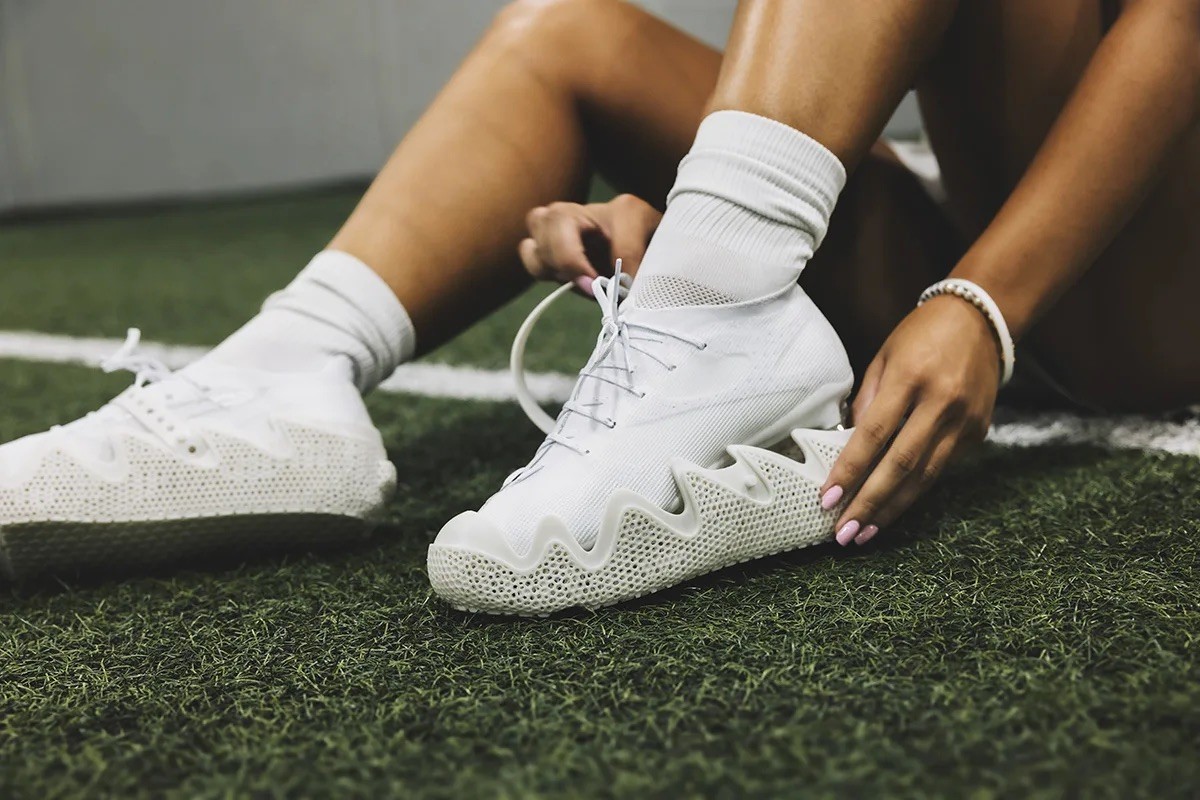
Data generated through internal material testing.
In Production
Performance Data that Engineers Can Act On
I wanted the process to be bulletproof — that is — harder to mess up than to get right.
Jes Christian, Hypsole
Data generated through internal material testing.
Technical Specifications
Technical Specifications
EPU 46 Material Properties
EPU 46 Material Properties
EPU 46 delivers high elasticity, strong tear resistance, and excellent energy return, making it ideal for durable elastomeric parts produced with Carbon’s DLS™ technology.
EPU 46 delivers high elasticity, strong tear resistance, and excellent energy return, making it ideal for durable elastomeric parts produced with Carbon’s DLS™ technology.
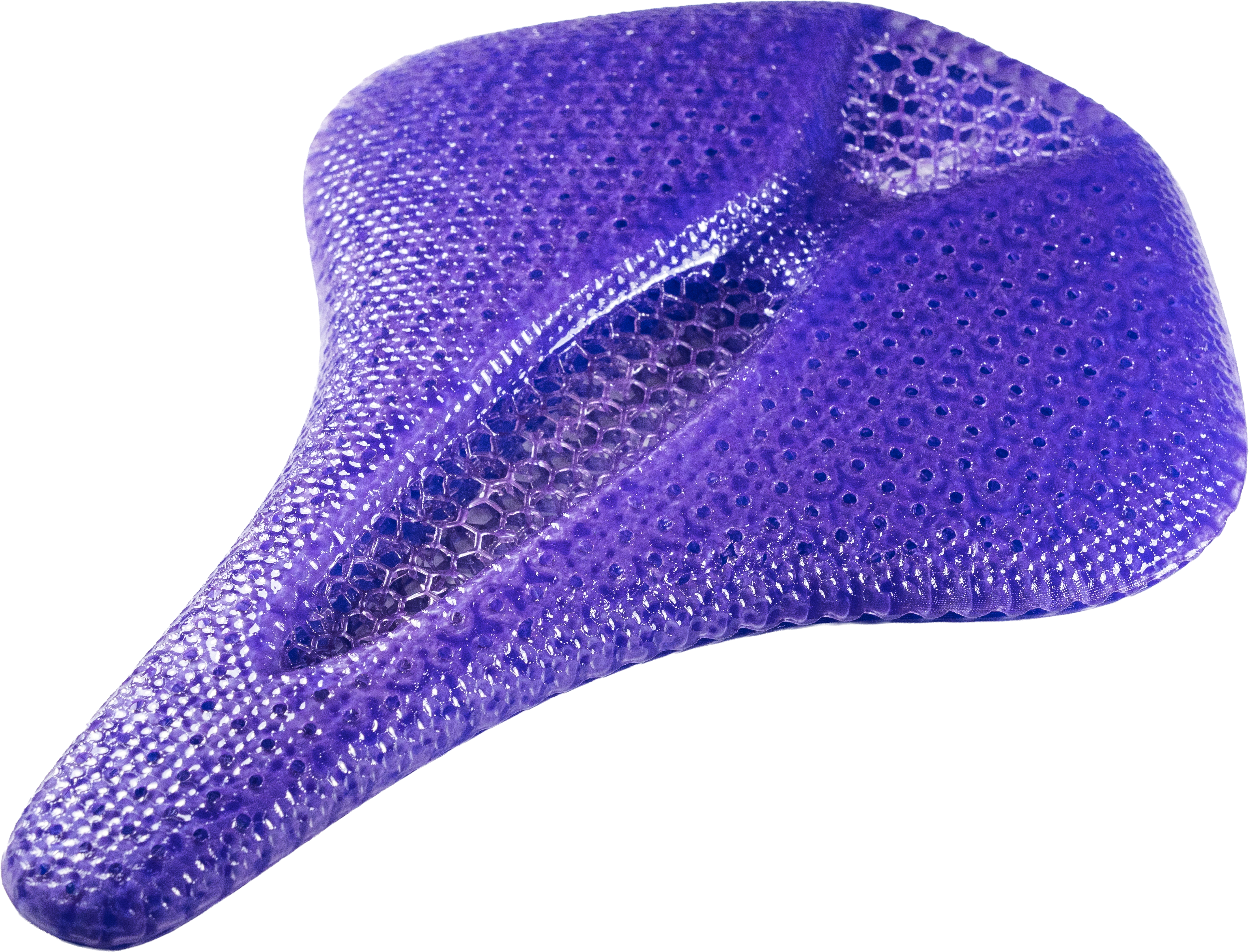
EPU 46 vs TPU
Why Engineers Switch from TPU to EPU 46
Traditional injection-molded TPU locks you into a fixed durometer, no custom colors without tooling changes, and mold costs that make iteration expensive. EPU 46 removes all three constraints — same mechanical performance profile, without the manufacturing overhead.
Traditional injection-molded TPU locks you into a fixed durometer, no custom colors without tooling changes, and mold costs that make iteration expensive. EPU 46 removes all three constraints — same mechanical performance profile, without the manufacturing overhead.
EPU 46 vs TPU
Why Engineers Switch from TPU to EPU 46
Traditional injection-molded TPU locks you into a fixed durometer, no custom colors without tooling changes, and mold costs that make iteration expensive. EPU 46 removes all three constraints — same mechanical performance profile, without the manufacturing overhead.
Compatible Hardware
Compatible Hardware
Validated on Carbon's Full Printer Lineup
Validated on Carbon's Full Printer Lineup
EPU 46 is validated for production on M3, M3 Max, and L1 — Carbon's full range of production-grade printers. Whether you're running a pilot batch or high-volume production, the same material works across platforms.
EPU 46 is validated for production on M3, M3 Max, and L1 — Carbon's full range of production-grade printers. Whether you're running a pilot batch or high-volume production, the same material works across platforms.
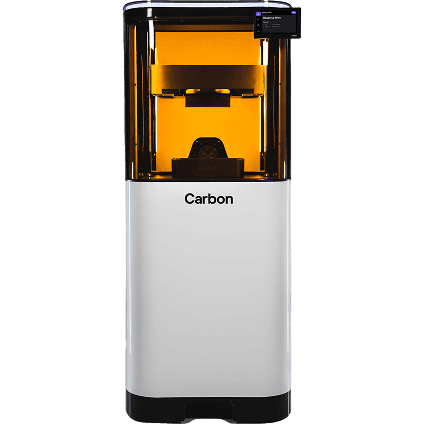
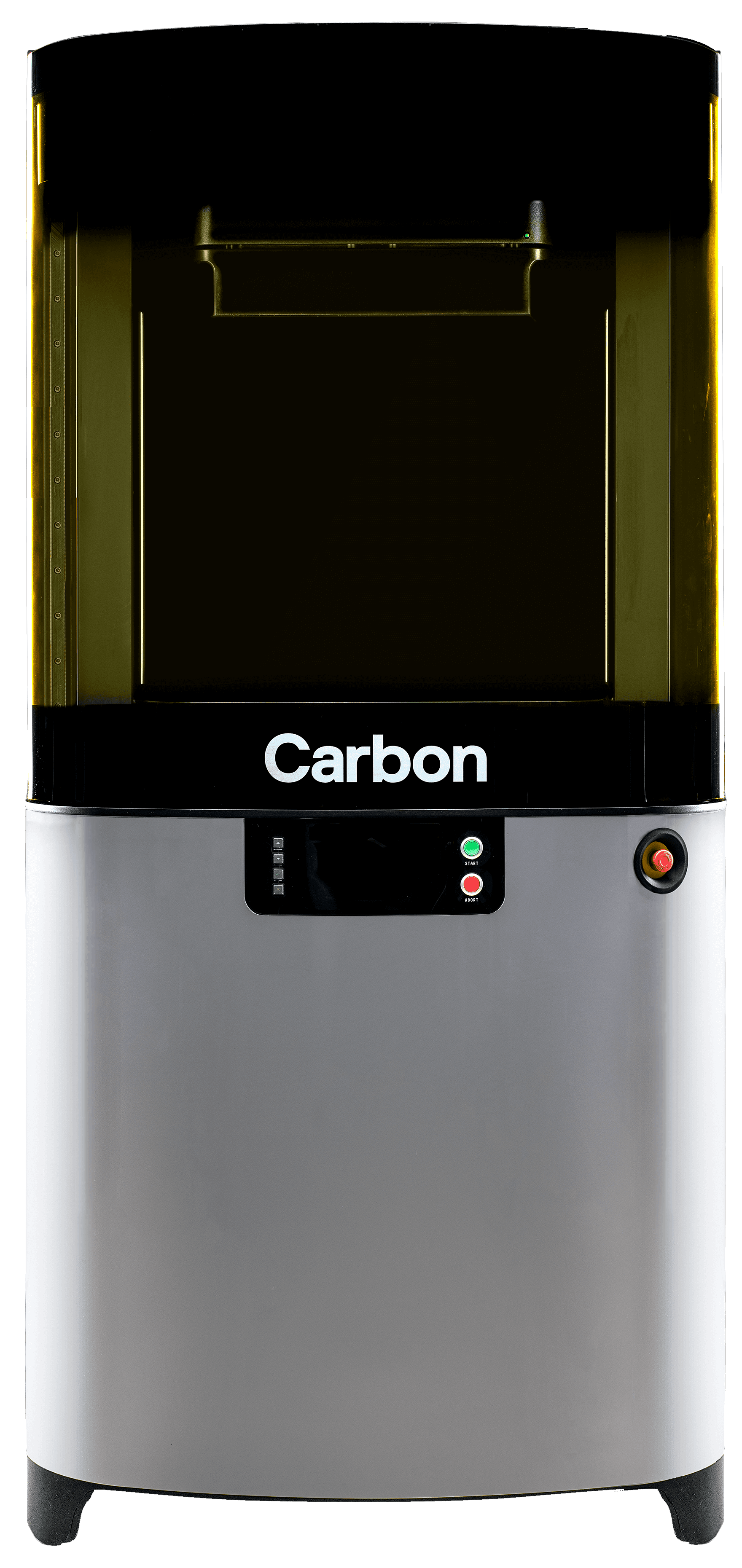
Don't have a Carbon printer yet? We'll help you find a certified production partner.
Case Studies
EPU 46 in Production

Case Studies
EPU 46 in Production
Don't have a Printer? Find a Certified Production Partner
EPU 46 is validated for production on M3, M3 Max, and L1 — Carbon's full range of production-grade printers. Whether you're running a pilot batch or high-volume production, the same material works across platforms.
EPU 46 is validated for production on M3, M3 Max, and L1 — Carbon's full range of production-grade printers. Whether you're running a pilot batch or high-volume production, the same material works across platforms.
Don't have a Printer? Find a Certified Production Partner
EPU 46 is validated for production on M3, M3 Max, and L1 — Carbon's full range of production-grade printers. Whether you're running a pilot batch or high-volume production, the same material works across platforms.
Resources & Downloads
Resources & Downloads
Everything You Need
to Get Started
Everything You Need
to Get Started
Technical Data Sheet
Complete mechanical properties, processing conditions, and material specifications for EPU 46.
Comfort Guide
Carbon's engineering guide for lattice structures that balance pressure distribution, energy return, and protection.
Comparison Guide
Side-by-side comparison of Carbon materials vs. ABS, Nylon, TPU, Polycarbonate, POM, and more.
Resources & Downloads
Everything You Need
to Get Started
Technical Data Sheet
Complete mechanical properties, processing conditions, and material specifications for EPU 46.
Comfort Guide
Carbon's engineering guide for lattice structures that balance pressure distribution, energy return, and protection.
Comparison Guide
Side-by-side comparison of Carbon materials vs. ABS, Nylon, TPU, Polycarbonate, POM, and more.
Ready to print EPU 46?
Bring Your Product to Production?
Talk to a Carbon materials engineer about your application. We'll help you validate stiffness requirements, select the right formulation, and connect you with a production partner.
Ready to print EPU 46?
Bring Your Product to Production?
Talk to a Carbon materials engineer about your application. We'll help you validate stiffness requirements, select the right formulation, and connect you with a production partner.